

Breast Lift (Mastopexy)
Lift. Rebalance. Refine.
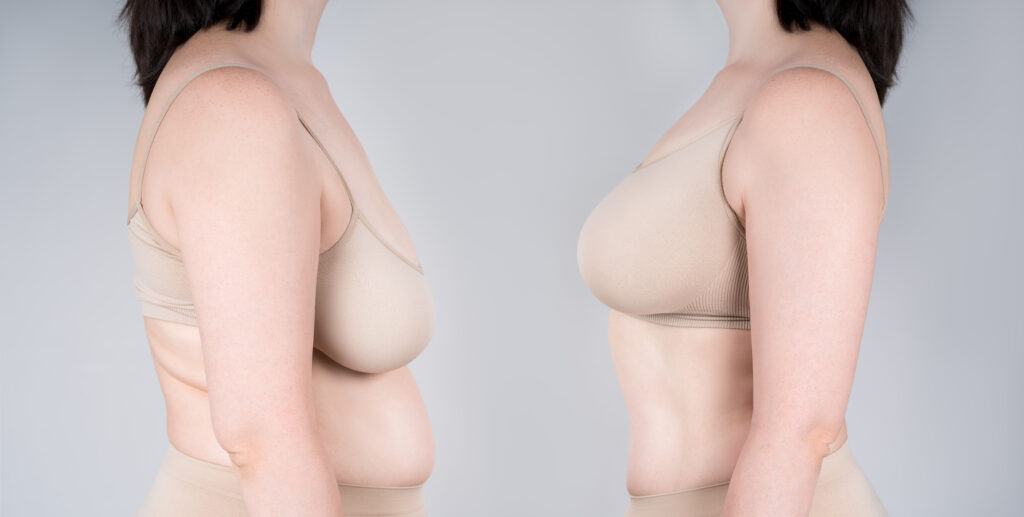
A mastopexy restores a higher, firmer breast contour by correcting breast ptosis, tightening the cutaneous envelope, and repositioning the nipple–areola complex (NAC) on a vascularized pedicle.
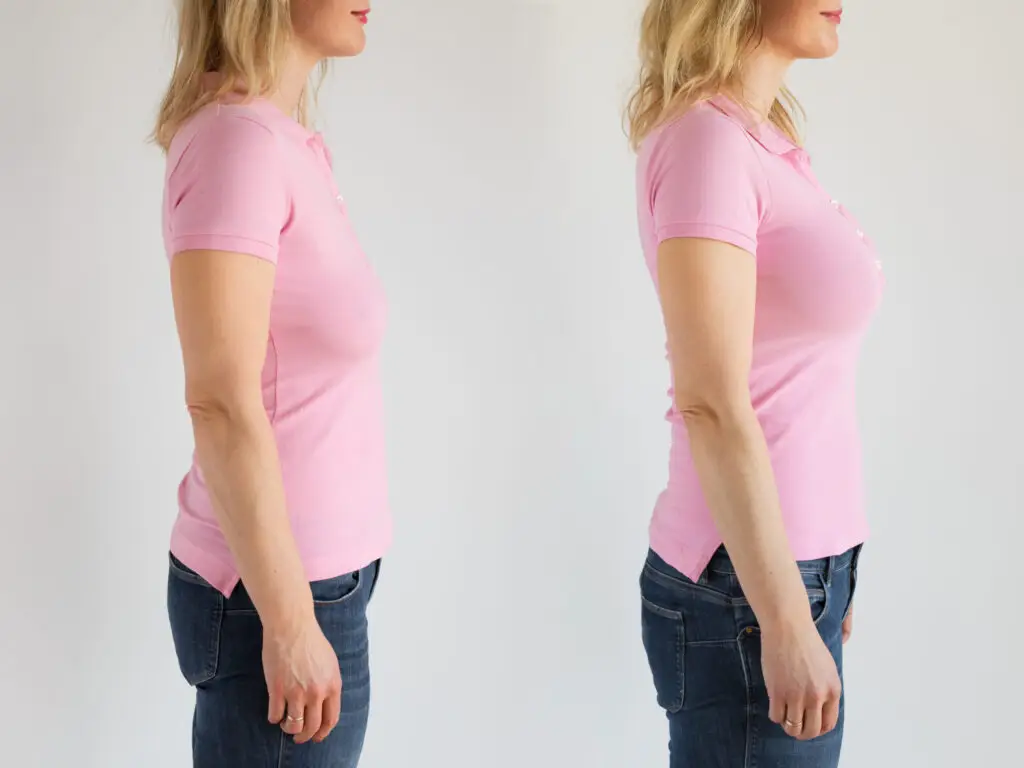
Mastopexy elevates the breast mound while preserving NAC perfusion.
Overview
What a Lift Corrects
Ptosis occurs when the breast parenchyma descends and the NAC sits at or below the inframammary fold (IMF). During mastopexy, redundant skin is excised, the parenchyma is coned and re-suspended, and the IMF relationship is refined to restore base support and upper-pole projection.
Clinical focus: improving nipple position, breast footprint symmetry, and parenchymal support — not simply “tightening skin.”
Auto-augmentation: your own tissue can be rotated superiorly to add upper-pole fullness without prosthetic volume.
Technique choice is guided by ptosis grade, skin quality, areolar diameter, breast base width, and desired scar vector.
Technique Options
Lift Patterns
Incision design and pedicle selection are tailored to ptosis grade and tissue biomechanics.
A circumareolar (“donut”) mastopexy for mild ptosis. Also allows areolar reduction with limited scar length.
Best when the NAC is only slightly below ideal position and skin redundancy is minimal.
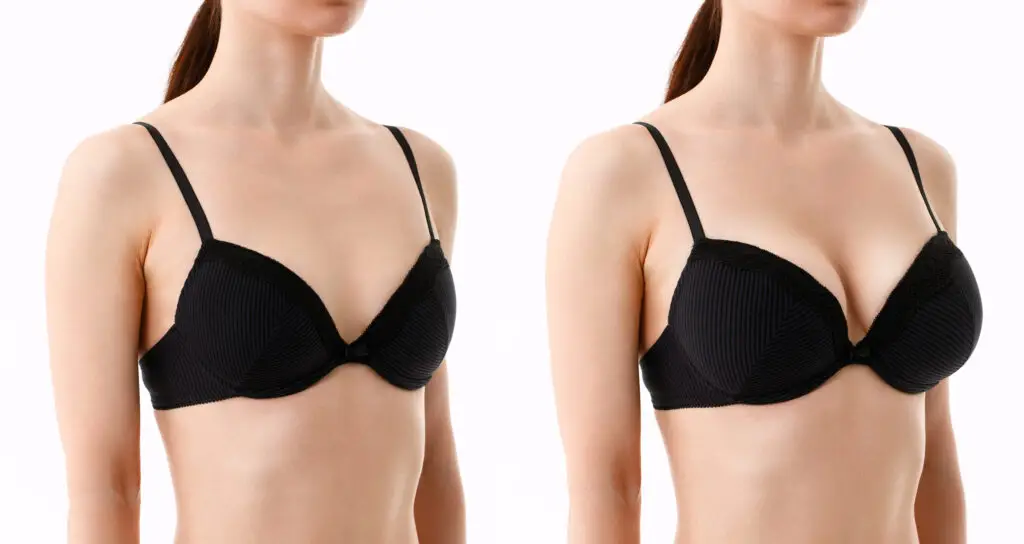
Periareolar + vertical limb (“lollipop”) for moderate ptosis. Enables stronger parenchymal coning and improved projection.
Common pedicles include superomedial or superior to preserve perfusion.
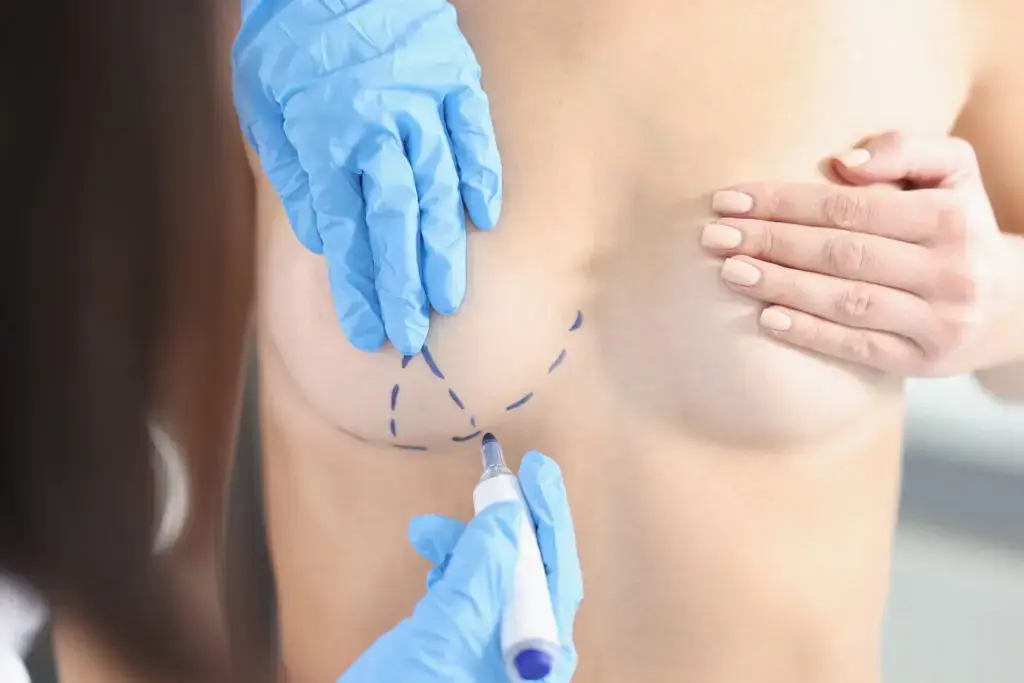
Adds a horizontal IMF limb (“anchor”) for significant ptosis or marked dermatolaxia. Greatest ability to excise excess skin vectors.
Useful when the lower pole requires extensive tightening to prevent bottoming out.
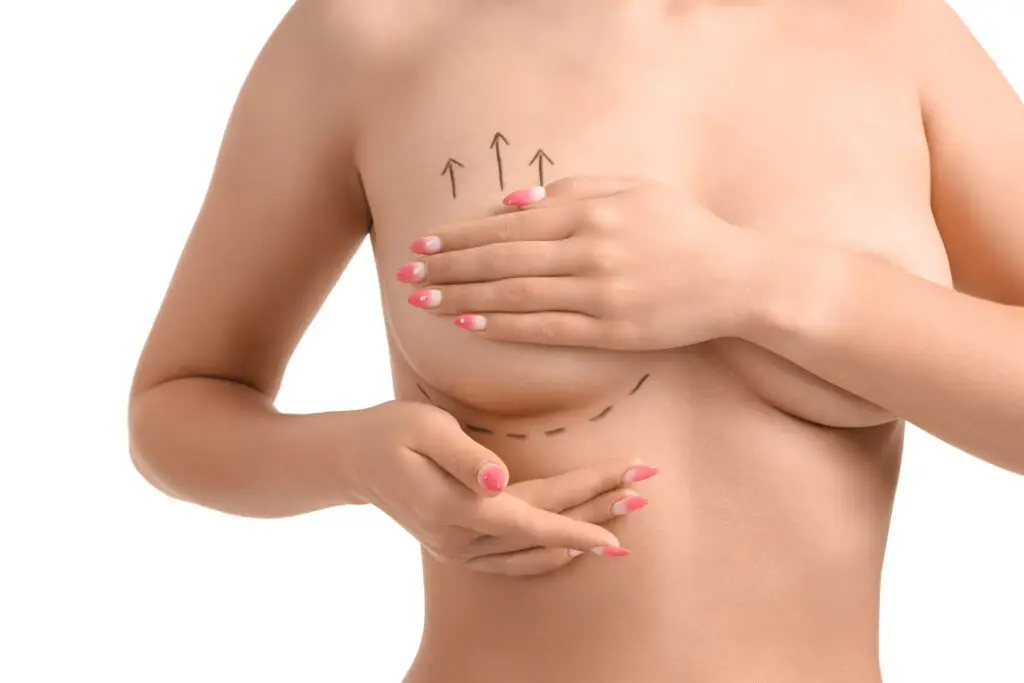
Augmentation mastopexy combines lift + implant when volume loss (postpartum involution) accompanies ptosis.
Implant selection considers base width, tissue pinch thickness, and desired projection to avoid over-stretching.
Terminology
Key Medical Terms
Pedicle
Edema decreases. NAC position stabilizes. Gentle range-of-motion resumes.
Ptosis Grade
Severity classification based on NAC position vs IMF and mound apex.
Parenchyma
Glandular + fatty tissue reshaped into a higher, tighter cone.
Dermatolaxia
Excess lax skin envelope requiring excisional tightening.
Auto-augmentation
Superior rotation of your own tissue to improve upper-pole fullness.
Healing
Recovery Phases
Swelling (edema) and tightness are expected early. Shape refines as the parenchyma settles into its new support.
1
Weeks 1
Compression bra, light ambulation, avoid heavy lifting. Watch for hematoma or seroma.
2
Weeks 2-3
Edema decreases. NAC position stabilizes. Gentle range-of-motion resumes.
3
Weeks 4–8+
Return to full exercise when cleared. Scars transition into remodeling over 6–12 months.
Safety First
Risks & Monitoring
Complications are uncommon but clinically important to understand.
NAC ischemia / necrosis: compromised perfusion to nipple tissue. Pedicle selection and tension control reduce risk.
Wound dehiscence: partial separation of incision, more likely with smoking or diabetes.
Hypertrophic or keloid scarring: overactive collagen response; managed with scar protocols.
Recurrent ptosis / bottoming out: late lower-pole descent due to weak dermis or gravity.
Additional considerations include infection, asymmetry, altered sensation, and the need for revision.
Questions, Answered
Breast Lift FAQ
Does mastopexy increase breast size?
A lift repositions and reshapes parenchyma; apparent fullness improves, but true volume increase requires implants or autologous fat grafting (lipofilling).
How is the scar pattern chosen?
Ptosis grade, skin redundancy, and areolar location determine whether a periareolar, vertical, or Wise pattern provides stable elevation.
Can a lift be combined with reduction?
Yes. Reduction mammoplasty includes mastopexy plus excision of excess parenchyma to relieve physical symptoms while improving contour.
How long do results last?
Results are long-lasting, though aging, pregnancy, and major weight changes can re-stretch the skin envelope over time.
Schedule Your Consultation
Meet with Dr. Herman to review ptosis grading, pedicle options, and the lift technique best suited to your anatomy and goals.
Breast Aesthetic Expertise
Why Choose Dr. Herman
Dr. Herman balances refined elevation with surgical safety — emphasizing pedicle perfusion, symmetry, and durable parenchymal support.
- Advanced training in aesthetic & reconstructive breast surgery
- Technique tailored to ptosis grade and tissue biomechanics
- Scar-vector planning for stable, long-term contour
Patient Testimonials
Real stories. Real results.
★★★★★
4.8 / 5.0 Overall Rating
Across 1,000+ verified patient experiences.
★★★★★
“I couldn’t be more pleased with the exceptional care I receive at this office. A+ in every way.”
— Verified Patient Review (Jul 1, 2022)
★★★★★
“Dr. Herman is an amazing practitioner. His ability exceeds others. He’s also personable — his people skills match his genius as a plastic surgeon.”
— Verified Patient Review (May 21, 2024)
★★★★★
“Dr. Herman is absolutely the best! He is knowledgeable and professional. He has changed my life forever and made my dream come true. I am very, very pleased with the results! Thank you Dr. H!!!”
— Nicola G. (Plastic Surgery Near You)
★★★★★
“Appointment was on time, all my questions were answered. Staff and doctor were very knowledgeable and pleasant. Got fast results — I’m glad I chose this office.”
— Verified Patient Review (Apr 29, 2025)
★★★★★
“I love the professionalism of the office and Dr. Herman is awesome. I would recommend him to anybody.”
— Verified Patient Review (Apr 10, 2025)
★★★★★
“Dr. Herman is an excellent doctor. His staff is courteous, polite, and knowledgeable. He explains everything thoroughly so you understand, and always answers questions.”
— Verified Patient Review (Jul 2, 2024)
★★★★★
“This man is not only an excellent surgeon — he is an artist. He changed my life and gave me confidence I never knew I had. His work is stellar, and I will continue to go to him for future procedures. His support staff is amazing and professional.”
— Stefanie Franklyn (Plastic Surgery Near You)
★★★★★
“I have gone to Dr. Herman’s office for years. Everyone there is more like family, and they treat you with the utmost care. I would send everyone there to them.”